Tag: business

When Should you Protect an Idea? A Guide to Patents and Intellectual Property

By Amy Whitney

So you’ve come up with a great idea, something new, unique, and positioned to do something in a different way. Before you start sharing it widely, it’s important to think about how you’ll protect it.  

Taking steps to protect the design or function of an idea can prevent others from copying or claiming it as their own. 

Two people looking over re-reading paper

Why Protecting Your Idea Matters

The decision to protect your idea should start before you disclose it publicly. In the world of intellectual property (IP), timing is everything. Once an invention is publicly shared you may lose the ability to secure certain rights, including patent protection. Public disclosure can include things like presentations, articles, or meetings with people not considered protected by non-disclosure or confidentiality agreements. 

Hand holding glowing lightbulb representing the proposal of an idea

Timing Is Everything in Intellectual Property

If you believe your idea has market potential, or if you believe the design or function matters to your competitive advantage, it’s worth considering a patent strategy early.  

The U.S. patent system operates on a first-to-file basis, not first-to-invent. That means whoever submits a patent application first typically has the legal advantage, regardless of who created the idea first.

Clock shown in front of person working on computer

Understanding the U.S. “First-to-File” Patent System

When you file, you must be able to clearly describe how your invention works and what makes it different. This means you will need to include drawings, exhibits, and descriptions in detail, especially in comparison to inventions that are relatively close to ideas like what you have developed. It is always a good idea to complete a prior art search, either by yourself with an internet search using sites such as Google Patent, or with the help of a patent attorney or patent agent. 

Business patent and process represented on screen

Provisional vs. Non-Provisional Patents: A Cost-Effective Strategy

For many early-stage founders, cost is a major concern. Patents can be expensive and time-intensive. There is a practical, cost-effective first option, a provisional patent application. A provisional patent filing gives you a full year of “patent pending” status and secures your place in line while you refine your idea, validate your market, or seek funding.  

During the 12 months of your patent-pending status from the provisional patent filing, you can continue developing your invention and decide whether a full nonprovisional patent is worth pursuing. 

Pile of coins shown with an increasing arrow and fluctuating chart

Final Thoughts: Protect Before You Publish

In short, consider protecting your idea when it is genuinely new, when owning the rights matter to the competitive advantage of your business, and before you reveal details publicly.  

Pursuing protection using tools like a provisional or full patent can help safeguard your innovation, giving you additional time to explore its market potential, refine your idea and seek additional funding. 

Team meeting and discussing graphs and charts
Team meeting and discussing graphs and charts

Need Support Protecting Your Idea?

Reach out before you publicly share your idea. Early guidance can save time, money, and legal risk. 

Contact our team to explore your options at und.techtransfer@und.edu 
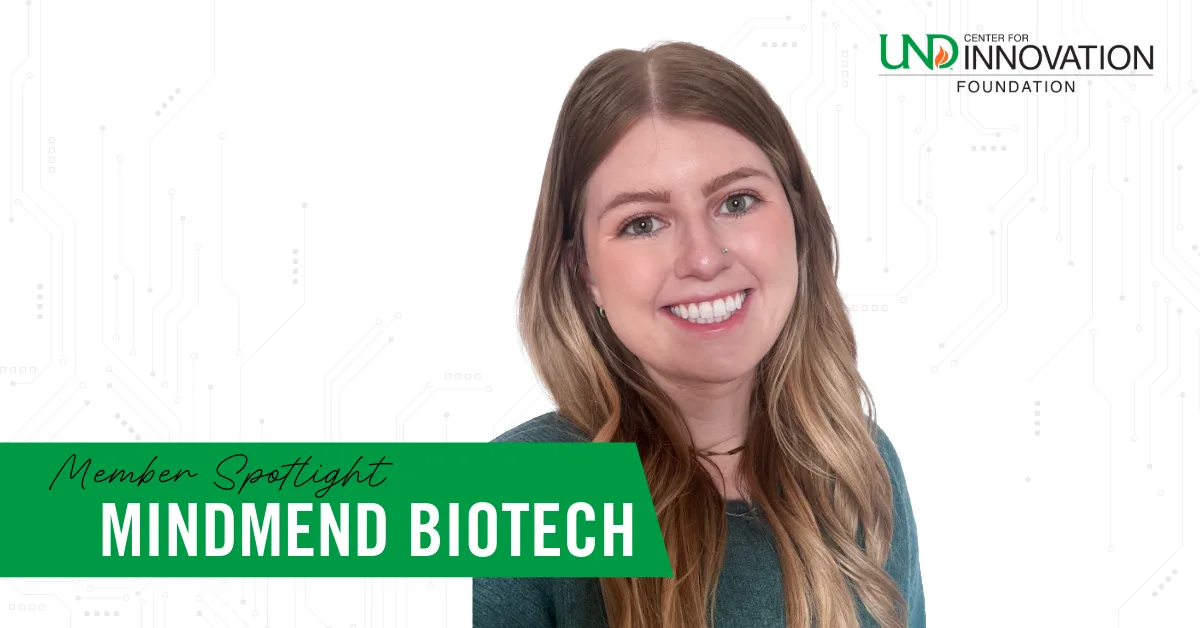
Member Spotlight: MindMend Biotech

Mercedes Terry

Mercedes Terry, Co-Founder and CEO of MindMend Biotech

From Challenge to Innovation

MindMend Biotech is a startup that aims to use continuously tracked health data, rather than subjective diagnosis, to monitor the symptoms of Parkinson’s disease and other neurodegenerative diseases through a wearable device. Mercedes Terry, co-founder and CEO of MindMend Biotech, was inspired by her grandmother’s experience with Parkinson’s Disease. After her grandmother was misdiagnosed and put on medication that negatively affected her health as a result, Terry realized the lack of research and diagnosis tools currently available for others who are also affected by neurodegenerative diseases.

About MindMend

The current diagnosis indicators of Parkinson’s disease are primarily subjective, with lots of symptoms and data being missed between appointments. With MindMend’s wearable device, there will be real-time data available that accurately measures a biological marker, giving consistent objective data that can be used to monitor neurodegenerative diseases.  

This innovation that started by only supporting people with Parkinson’s disease has quickly grown into a tool that also supports the tracking of disease progression, and a company that is “expanding our focus to support both patient care and clinical research,” says Terry. 

Senior woman and doctor talking about healthcare data.

Woman and doctor talking about healthcare data.

Steps Forward

MindMend achieved a major milestone by receiving a patent for their device in December 2025. Not only does this patent recognize the potential of the innovation, but it also highlights its promise to create meaningful impact in the disease research field.  

Each step toward this milestone requires time, resources, and adherence to regulatory requirements before moving on. The process is challenging but rewarding. “I learned that building something meaningful takes constant iteration and the ability to keep going when things do not work the first time,” Terry explained. “Resilience comes from staying focused on the problem you are solving, listening to feedback, and adjusting quickly instead of getting stuck on one idea.” 

CFI’s Impact

The CFI ecosystem offers structure, personalized guidance, and access to resources that support startups throughout the development process. “It helped us stay focused, connect with the right people, and move faster by learning from others who have gone through the process,” said Terry. This support ensures teams move efficiently from initial concept to functional prototypes, all while addressing hurdles along the way.  

NSF I-Corps Training is a five-week program where researchers are able to learn more about commercializing their research or innovation and the societal impact of their work. The program helps businesses develop meaningful business connections, refine their audience, and identify market needs. “Sona Leismeister played a key role by encouraging us to participate in the I-Corps program, which ended up having a major impact on our progress,” Terry shared.

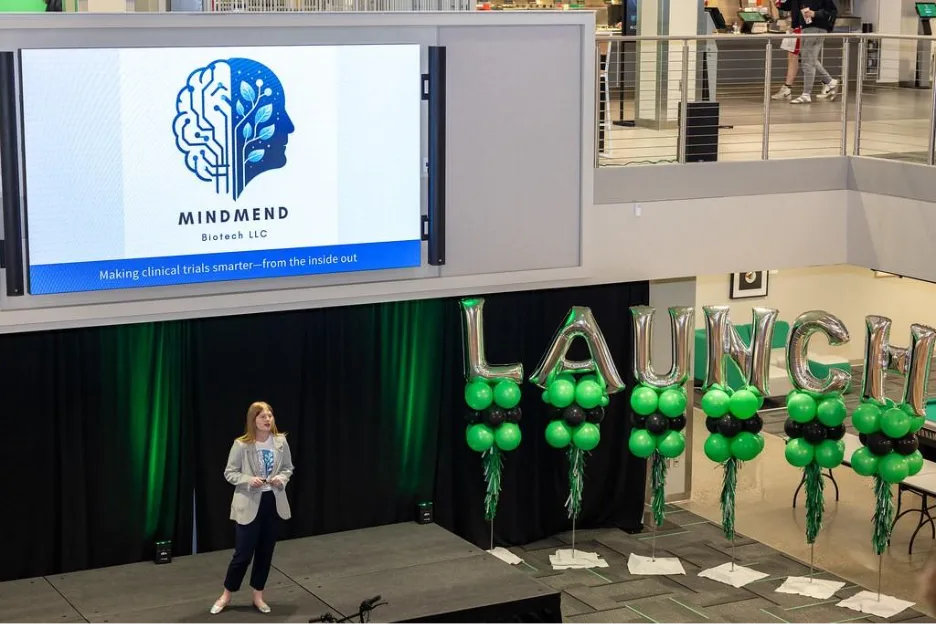
Terry presenting at the LAUNCH: Demo Day event at the UND Memorial Union. Photo by Mark Maliskey or Mark Maliskey Photography, Grand Forks.

Terry presenting at the LAUNCH: Demo Day event at the UND Memorial Union. Photo by Mark Maliskey of Mark Maliskey Photography, Grand Forks.

Looking Ahead

The ability to make a real impact in how neurodegenerative diseases are understood and managed is what’s most exciting when looking into MindMend’s future. Improving how treatments are developed and evaluated through objective data, to achieve better patient outcomes remains central to their mission.

Learn More

To learn more about MindMend Biotech, visit their LinkedIn.  

Member Spotlight: RJ Energy Solutions

RJES Team

Bella Peterson & Russell Schell

RJ Energy Solutions (RJES) was founded with a clear mission: reduce energy waste, lower cost, improve comfort, and bring practical, innovative efficiency solutions to businesses and homeowners. After several years of experience in the corporate world, founder Russell Schell, felt called back to entrepreneurship and to his passion for advancing energy-efficient technologies.

Turning Innovation into Business

In the early stages, RJ Energy Solutions focused on executing energy-efficient solutions across a variety of sectors. Russell’s technical expertise and drive to innovate laid the groundwork for a pivotal moment in 2024, when he was connected with Bella Peterson, a UND entrepreneurship student.

As a driven and growth-focused professional, Bella helped shift the business from pure innovation to structured business execution. What had been primarily about inventing and refining solutions became a focused effort to bring those solutions to market in a scalable way. Together, Russell and Bella have built a partnership that they describe as a great crossover to execute great solutions.

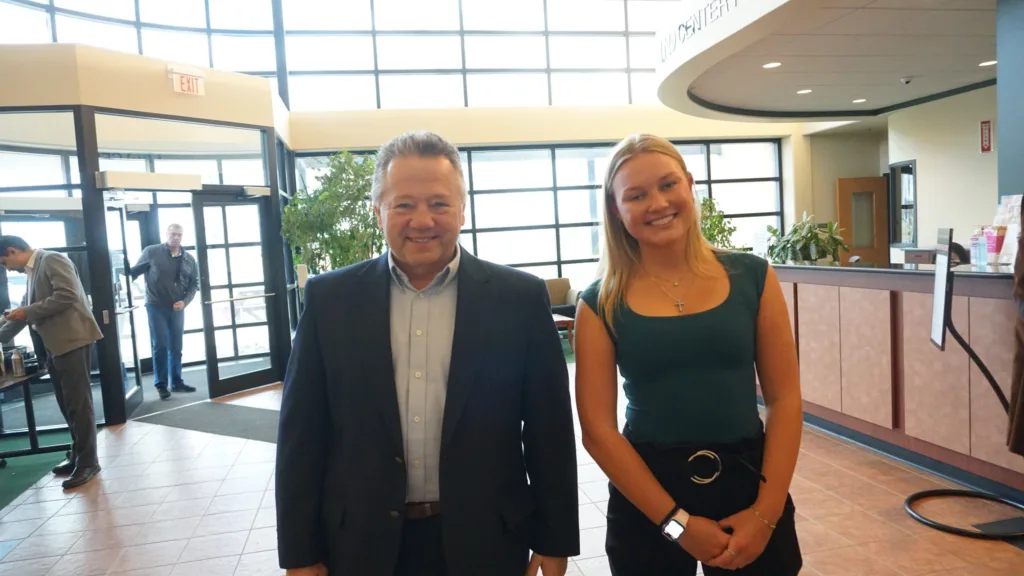
Russell Schell & Bella Peterson

Solving Energy Waste with Purpose

RJES was created to address one core problem: energy waste and inefficiency. From commercial facilities to residential properties, the company works to identify where systems are underperforming and how to improve them in practical, cost-effective ways.

RJES continues to evolve, leading to the launch of a new venture, Dart Solutions. Dart Solutions is focused on providing predictive maintenance to cut down on energy waste and maintenance dollars.

Business offices represent eco-conscious and sustainable practices.

Maximizing Growth & Expansion

Growth for RJES has come through intentional development. Some of the key milestones thus far include expanding the team, investing in product and solution development, and conducting deep market research to find a niche and innovative approach to where there was a need in the market.

RJES has focused on building a strong foundation, leading to the development of an ecosystem of partnerships, refining approach, and ensuring each step taken is strategic. The launch of Dart Solutions is a great example of the thoughtful growth that takes place.

A hand holding lightbulb symbolizes sustainability and energy-efficiency.

CFI’s Impact: Strengthening the Ecosystem

Joining the UND Center For Innovation was a strategic decision for RJ Energy Solutions. The primary goal was to become more integrated with the entrepreneurial ecosystem while contributing to strong business execution.

The Center for Innovation has played an essential role in business development for RJES’s particularly by connecting the team to NSF I-Corps Hub Great Plains for in-depth market research. I-Corps also helped RJES validate assumptions, refine target markets, and strengthen the company’s value. In addition, CFI supported business planning, pitch practice and development.

Business meeting discussing sustainability and lowering environmental footprint.

Looking Ahead

As RJ Energy Solutions looks to the future, its goals are ambitious yet focused. The long-term vision is to expand across the country, delivering energy efficiency solutions to a broader market.

Through continued innovation, strategic partnerships, and disciplined execution, RJES aims to scale its impact while staying true to its purpose of helping homeowners and businesses operate more efficiently, sustainably, and cost-effectively.

Learn More

To learn more about RJ Energy Solutions, visit rjenergysolutions.com and connect with the RJES team.

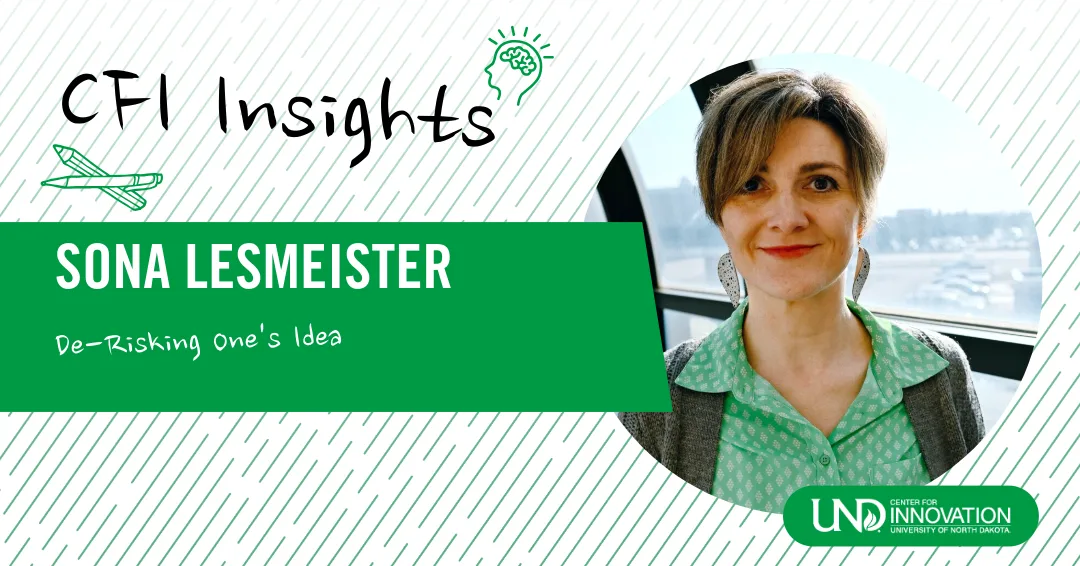
De-Risking One’s Idea

Written by Sona Lesmeister

In my career as a startup coach at the UND Center for Innovation, I get to interact with a lot of inventors, innovators, thinkers, and tinkerers. I work with very smart—often brilliant—people in their fields of expertise. It’s a privileged seat to observe so much ingenuity, creative spirit, and talent, all aiming to make a greater impact: to go beyond publishing a paper or simply checking the boxes expected of someone in their role.

Sona talking with a student at LAUNCH Showcase Event

The Excitement of Ideas

What I see most abundantly is ideas.

Ideas are fun. They’re exciting, inspiring, and often feel like good ideas. But just because something looks like a good idea doesn’t always mean it is—especially when it comes to building a business. Statistics suggest that up to 95% of businesses fail within their first five years. That might make starting a business sound like a bad idea.

Not so fast.

Hand stopping blocks from continuing to fall, symbolizing business risk.

Risk is Everywhere, Not Just in Business

With some homework and due diligence, much of that risk can be reduced.

And let’s be honest—business isn’t the only risky thing. So is being employed, especially in a rapidly changing economy. Heck, being alive is inherently risky.

The point, then, isn’t to stop participating in life or to bubble-wrap ourselves against disappointment. The point is to be smart. To do our homework—on the companies we work for, the people we build our lives with, and where we invest our time and money.

So why would business ideas be any different?

Treat Your Idea Like an Investment

They, too, deserve to be tested and probed. Before you commit your time, energy, and hard-earned dollars to bringing an idea to life, it’s worth asking whether it truly makes sense. Because unless you’re backed by a rich uncle, trade-offs are real—and priorities matter.

“Well, Sona, how might I go about doing that?” you ask.

Great question.

Group of people planning at a workshop (notes, notebook, iPad)

Customer Discovery Is the Homework

You’ve probably heard me talk about customer discovery. That’s the homework worth doing. Is it fun? It can be. Is it work? Absolutely. It requires looking at your idea honestly through the lens of the market—and more specifically, through the eyes of your potential customer.

That perspective can be uncomfortable. But if you let it teach you, with an open mind, it can uncover unexpected treasures. When you’re willing to poke holes in your great idea, you may discover something even better: a bigger, more meaningful problem—one your customers are eager to pay you to solve.

What’s one assumption you could test before investing more time or money into your idea?

Do you need support while growing your idea? Reach out anytime at info@innovators.net

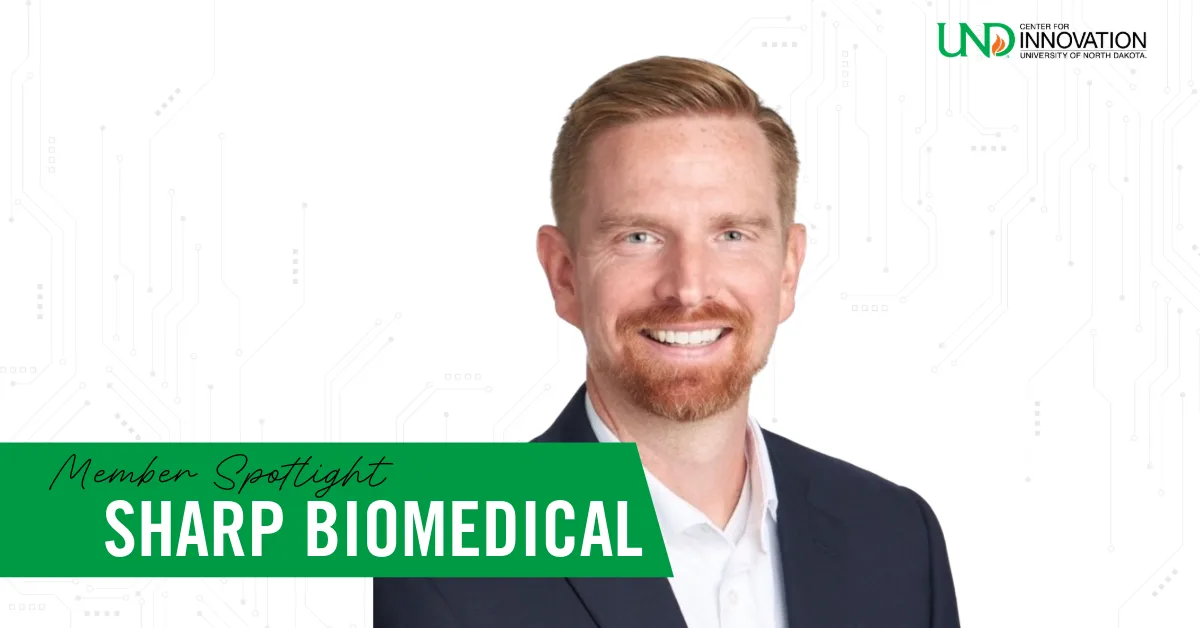
Member Spotlight: Sharp Biomedical

Dan Newman

Founded in 2024, Sharp Biomedical is redefining minimally invasive pain care with expertly redesigned solutions built specifically for interventional pain specialists. Founded by Dan Newman, a doctoral student in UND’s Biomedical Engineering Department, the company is driven by innovation at the intersection of engineering and patient-centered care. 

About Sharp Biomedical

Sharp Biomedical focuses on addressing the unmet needs of individuals living with chronic pain by developing an innovative, minimally invasive alternative to traditional surgery. The company aims to support specialists in delivering effective pain relief while reducing the need for more invasive surgical interventions.  

While Sharp Biomedical’s current primary focus is on advancing product development, the company intends to shift toward building strong relationships with UND and other local institutions in the future.  

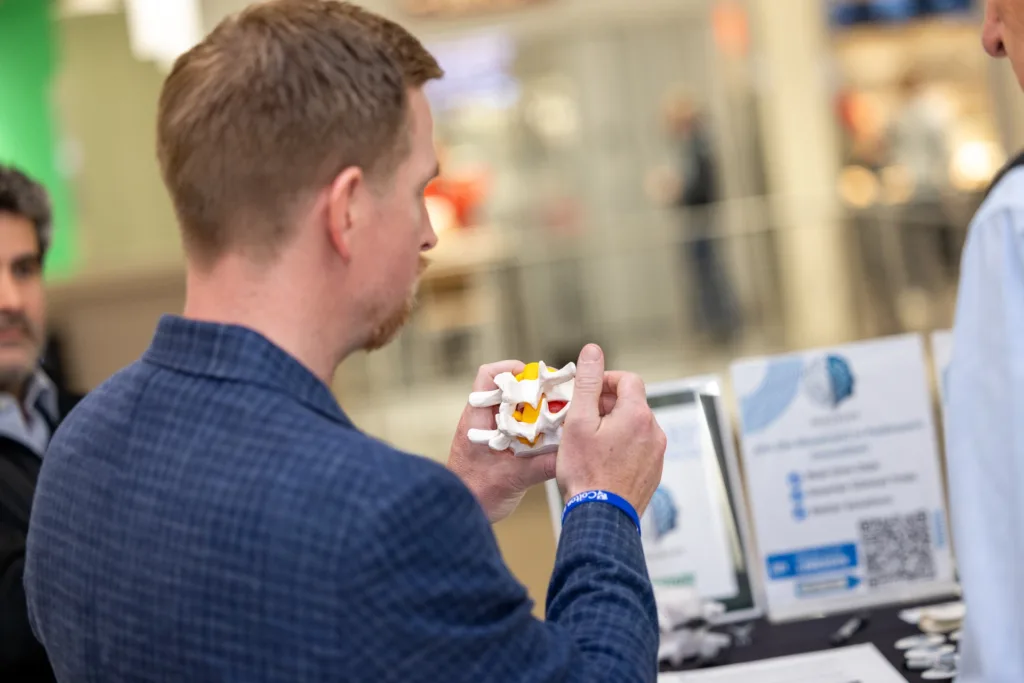
Dan Newman holding prototype
Dan Newman holding prototype. Photo by Mark Maliskey of Mark Maliskey Photography, Grand Forks.

Turning Ideas into Impact

Sharp Biomedical translated an identified gap in interventional pain care into a focused solution designed to meet specialist and patient needs. Since identifying the need, Sharp Biomedical has moved to validate the concept through development milestones and strategic team growth.  

The company has attracted expertise, respected physicians and a high-impact spine CEO, highlighting the credibility of Sharp Biomedical, along with the company’s long-term potential.  

CFI’s Impact

The Runway Accelerator program at UND’s Center for Innovation (CFI) is a two-phase program designed to provide mentorship, start-up training, and access to funding to support UND student ventures.  

Following an introduction from Dr. Kouhyar Tavakolian, Sharp Biomedical connected with the UND Center for Innovation and enrolled in the Runway Accelerator program. “The timing proved to be perfect for the stage Sharp Biomedical was in,” Newman shared. Through Runway, the team received critical support—most notably guidance through the customer discovery process, which helped refine and strengthen their core concept. 

After completing the Runway Accelerator program at CFI, Newman continued building momentum by joining the gBeta program in Grand Forks. Designed for high-potential startups with local roots, gBeta is a pre-accelerator that provides intensive one-on-one mentorship, focused growth strategy, and preparation for raising capital. The program also connects founders to a powerful network of mentors, investors, and prospective customers. 

With strategic support from Runway and initial grant funding, Sharp Biomedical strengthened its foundation and positioned itself for rapid growth. Through a recommendation and introduction to gBeta, CFI helped further expand Sharp Biomedical’s network—“providing additional connections and accelerating the company’s growth,” Newman shared. The continued progression through these programs played a key role in securing additional investment and increasing the company’s valuation. 

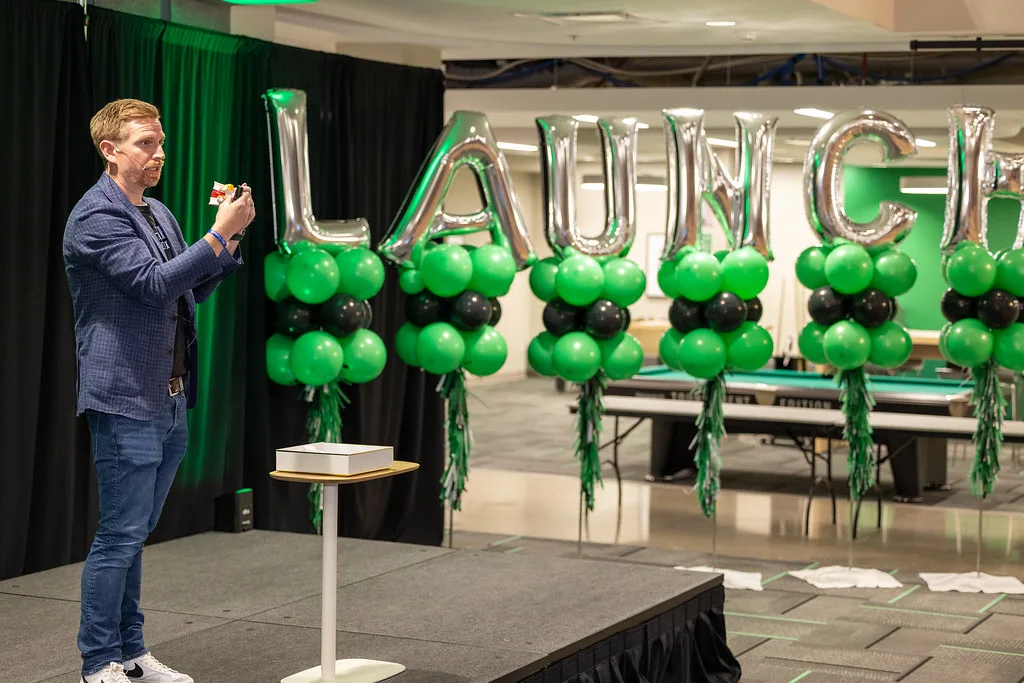
Newman presenting at the LAUNCH: Demo Day event at the UND Memorial Union.
Newman presenting at the LAUNCH: Demo Day event at the UND Memorial Union. Photo by Mark Maliskey of Mark Maliskey Photography, Grand Forks.

Looking Ahead

Funding is a top priority for Sharp Biomedical, supporting ongoing product development, testing, and efforts to bring the technology to market. At the same time, the team is preparing to file a non-provisional patent to protect its intellectual property.  

They are also refining the device through cadaver testing with physician partners, ensuring it performs effectively across the variety of anatomies found in real-world patients. 

Learn More

To learn more about Sharp Biomedical and their mission to make interventional procedures more accessible, visit sharpbiomedical.com.  


What Legos Can Teach Us About the Importance of Process Documentation

By Adrian Luevano

We all want consistent results, whether we’re building Legos or completing tasks at work. The problem is that when processes aren’t documented (or we don’t have clear instructions) everyone interprets things differently; consistency is lost, and efforts are often duplicated and consequences can be significant: wasted time, frustration, and results that don’t meet expectations. 

Alt text: Colorful pile of green LEGO bricks
Colorful pile of green LEGO bricks 

A Simple Classroom Exercise with a Big Lesson

I remember an interesting exercise from a class. Our professor divided us into two teams and gave us a variety of Lego pieces, simply saying, “Build a house.” We could make any house we wanted, there were no restrictions. Once we finished, he asked us to write instructions so someone else could replicate our house, and to take a photo before disassembling it. At first, it seemed like a very simple task, build a house and write down how we built it. 

The next step was to exchange instructions and try to follow them as accurately as possible. When we compared the final result to the photo, we couldn’t stop laughing… it looked nothing like what we had intended to build! Some walls were upside down, colors didn’t match, pieces were missing and towers ended up on the wrong side.  

The lesson was clear; we wrote the instructions thinking about ourselves and didn’t consider that others might not interpret them the same way. We assumed that what was obvious to us would be obvious to everyone else, but it wasn’t. 

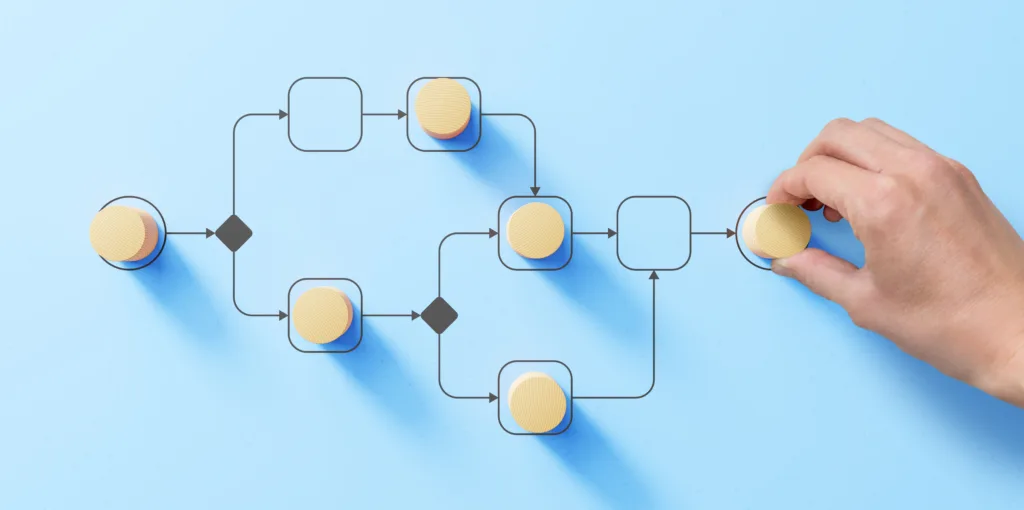
Business process management and automation concept with person moving wooden pieces on flowchart diagram.

How This Shows Up in the Workplace 

The same principle applies in the workplace: clear processes allow us to replicate successful outcomes. Without them, team members may approach the same task in completely different ways, causing confusion, mistakes, and duplicated efforts. Even a small miscommunication can escalate when multiple people are involved or when the same task is repeated over time. Documenting processes doesn’t just make life easier—it makes teams more efficient and reliable. 

Writing manuals isn’t just about listing steps; we need to consider how someone else might interpret them and strive to be as clear as possible. The goal is for the process to be followed by different people in the same way, without having to provide additional explanations each time. Think of it as creating your own Lego instruction booklet: if it’s well-designed, anyone can achieve the intended result, even if they have never built that model before. 

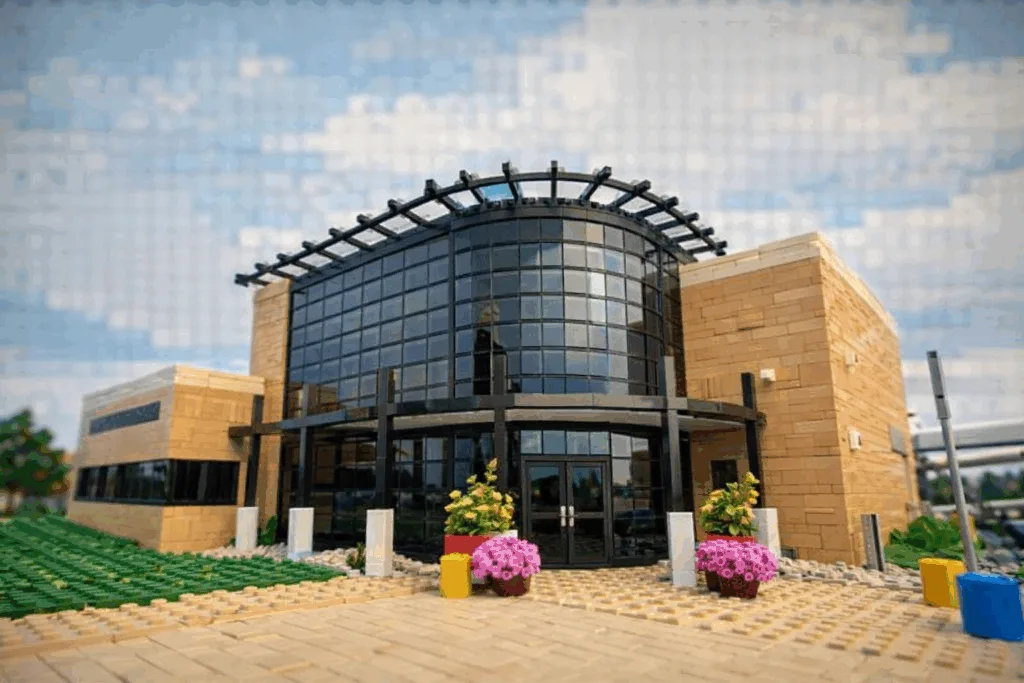
AI-generated image of the Center for Innovation made of Legos

AI-generated image of the Center for Innovation made of Legos

Why Well-Designed Processes Matter 

Personally, my favorite Legos are the pre-designed sets; they come with all the pieces and instructions needed to build the figure on the box. I love them because simply following the instructions gives me the expected result every time. 

Processes are like Lego instructions: they allow anyone to replicate successful outcomes. That’s why having well-documented processes in place is essential to maintain consistency and efficiency. It might take extra time upfront, but it saves countless hours of frustration, reduces errors, and ensures that the results are exactly what we intended. Plus, well-documented processes can serve as a training tool for new team members, a reference for future projects, and a safeguard against forgetting important steps.

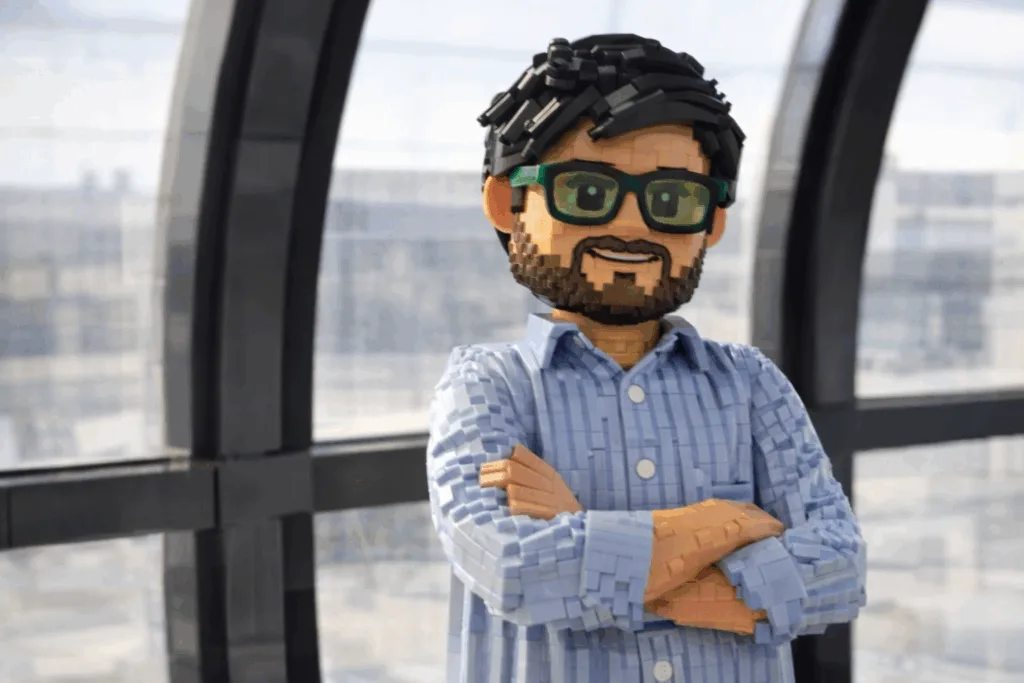
AI-Generated image of Adrian Luevano

AI-Generated image of Adrian Luevano

The Final Takeaway

Investing time in properly documenting processes ensures that the final result is exactly what we expect. So now you know, document your processes, or risk ending up like me, staring at a pile of Legos, wondering what went wrong!!

Clear processes don’t happen by accident—they’re designed. If you’re interested in improving documentation, efficiency, or team alignment, email info@innovators.net to learn how the Center for Innovation can help.


InternGF: A powerful tool for workforce retention

UND students who intern with InternGF stay in Grand Forks at remarkably high rates, speakers noted at the program’s recent 2026 launch

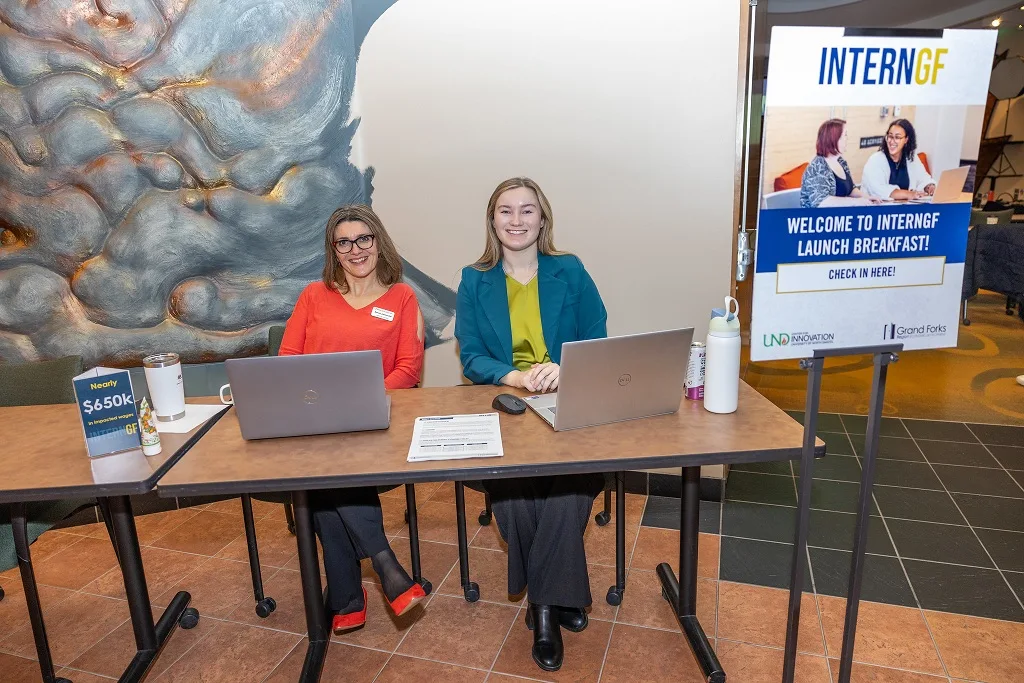
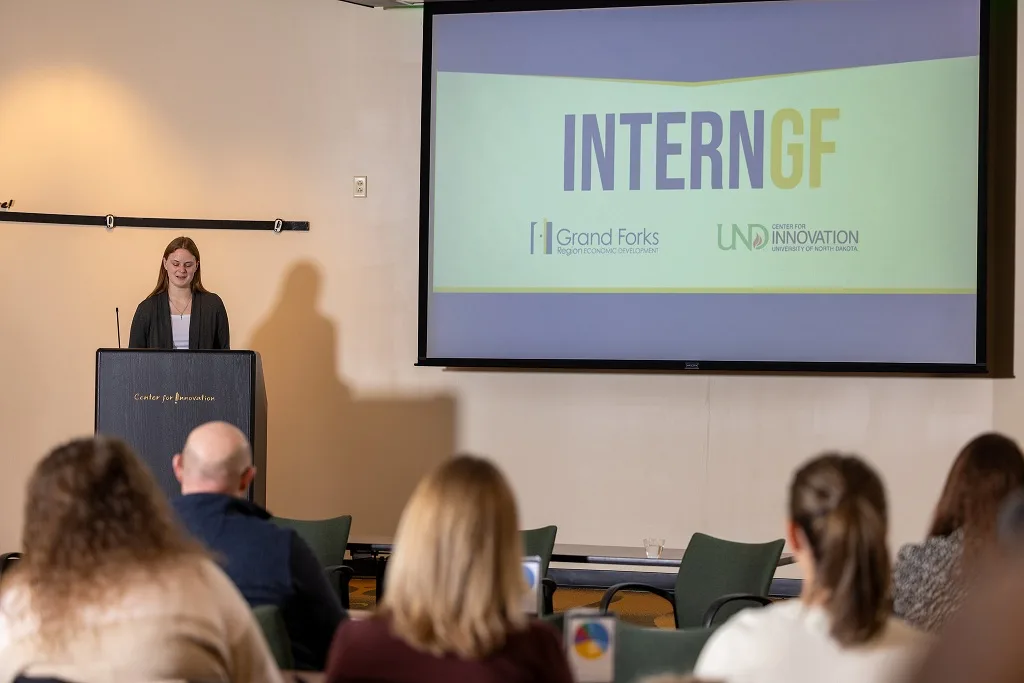
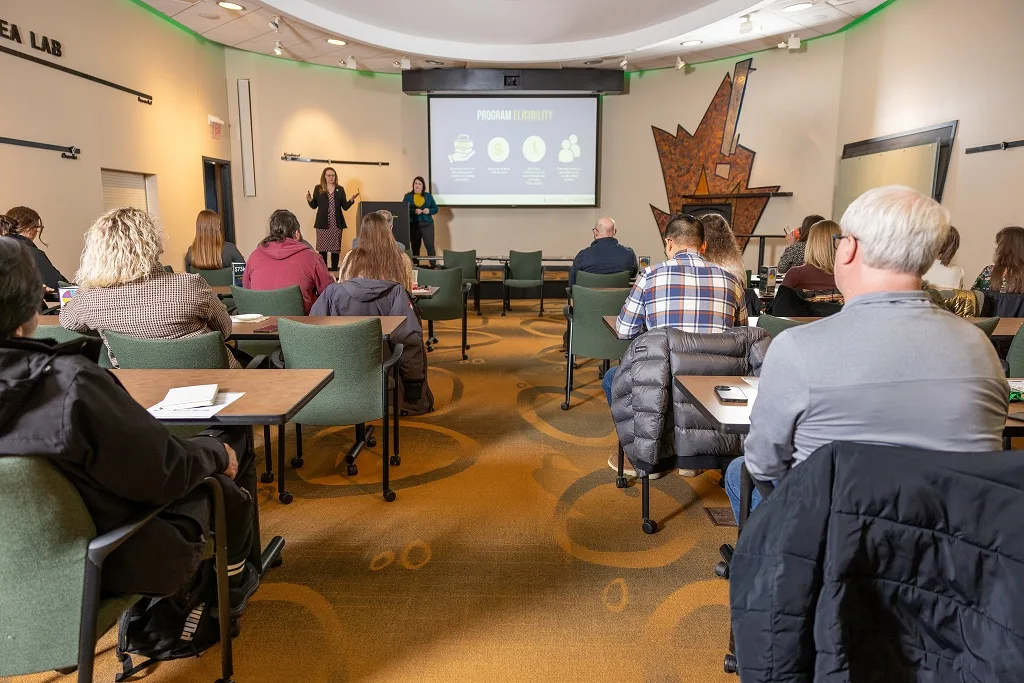
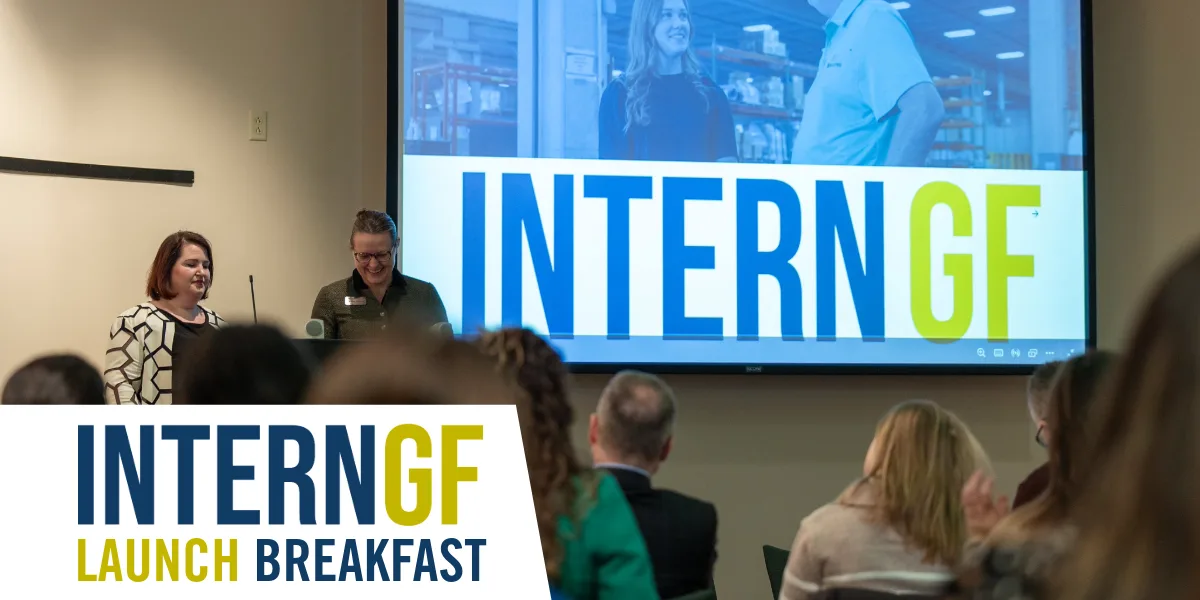
Sona Lesmeister (left), UND Center for Innovation’s Startup Specialist, and Kinley Anderson, the Grand Forks Region Economic Development Corp.’s workforce development specialist, welcome guests to the InternGF launch event on Jan. 13. The event was held at the Center for Innovation’s Idea Lab in Grand Forks. Photo by Mark Maliskey, Marketing & Communications manager, Grand Forks Region EDC.


By Haylee Bjork

On Jan. 13, UND’s Center for Innovation and the Grand Forks Region Economic Development Corp. celebrated the launch of the InternGF program for the upcoming year, hosting a breakfast and presentation that showcased the program’s progress to the UND and Grand Forks community.

Local internships are doing more than filling short-term roles in Grand Forks, speakers at the event noted. They’re shaping career paths, strengthening regional employers and keeping UND talent in the region.

That message was at the center of the event’s presentation of the InternGF program, a nationally recognized funding model designed to help organizations launch new, meaningful internship opportunities while supporting student workforce development.

A funding model built for impact

The InternGF program helps employers offset the cost of hiring interns by reimbursing a portion of intern wages. Startup organizations (within seven years of launch) are eligible for up to 50% wage reimbursement, while established EDC member companies may receive 33% reimbursement.

By lowering financial barriers, the program enables organizations to create new internship roles.

Eight years of measurable results

Since its launch, the InternGF program has funded 172 internships, awarding more than $330,000 in reimbursements. Those funds have translated into nearly $750,000 in real wages paid to UND students who receive InternGF internships.

The reach of the program spans both startups and established companies:

  • 56% of funded internships supported startups
  • 60% supported EDC member companies
  • Many organizations fell into both categories, demonstrating balanced, equitable support across the region

Internships supported by the program span a wide range of disciplines, ranging from engineering and aviation to marketing, finance and creative roles, highlighting both traditional and nontraditional career pathways available locally.

Madelynn Meek, a UND student and former marketing intern for 3 Farm Daughters in Grand Forks, talks at the InternGF launch event about her internship experience. Photo by Mark Maliskey, Marketing & Communications Manager, Grand Forks Region EDC.


Strong outcomes for students

Student feedback consistently reflects the program’s impact. On a 10-point scale:

  • Students rated internships 8.5 for applying classroom learning to real-world work
  • Students rated 8.4 for growth in professional skills and confidence

Perhaps most notably, internships influence where graduates choose to live and work. Nearly half (46%) of students from the 2018–19 cohorts are still living in Grand Forks five years later, compared to just 12% of UND alumni overall during the same period.

At the two-year mark, 71% of InternGF participants remained in the region, more than triple the general alumni average.

Employer and student voices

Robbie Lunnie, assistant professor of Aviation at UND and the founder of Vertical Works, said that while strong ideas and work ethic are important, community support is often what makes the difference.

“You can have a great idea and work incredibly hard, but that’s not always enough,” he said. “Having mentors and a support system matters.

“InternGF isn’t just about funding an intern; it connects you to people who want to help you succeed,” he continued. “That support made a real difference for me as a startup founder and helps keep talented students in Grand Forks.”

Students echoed the program’s value through personal experiences. Recent graduate and Vertical Works intern, Mateo Garcia, shared how structured reflection and mentorship set his internship apart, helping him see long-term opportunities in Grand Forks that hadn’t previously been on his radar.

Madelynn Meek, a UND student and former marketing intern for the Grand Forks-based 3 Farm Daughters pasta company, described how her internship reshaped her career goals by exposing her to multiple facets of a growing business — from supply chains to retail partnerships — while giving her real responsibility and trust. “It didn’t just prepare me for the real world,” she said. “It helped me better understand where I want to go in it.”

The 2026 InternGF Launch Event took place at the Idea Lab at the Center for Innovation in Grand Forks. Photo by Mark Maliskey, Marketing & Communications Manager, Grand Forks Region EDC.


Building the future workforce

To wrap up the event, Chelsea Mellenthin, director of Career Engagement at UND’s Experiential Learning Center, highlighted key resources available to employers, including using Handshake to share internships and open positions. She emphasized the platform as a one-stop shop for connecting with and recruiting UND talent.

As InternGF continues to align funding cycles with UND and employer hiring rhythms, the goal remains clear: create meaningful internships that benefit students, employers, and the Grand Forks community alike.

By investing in local experiences, the program is proving that internships aren’t just temporary positions; they’re a powerful tool for workforce retention, business growth, and long-term regional impact.

To learn more about InternGF, visit the program’s website.

Member Spotlight: Black Ridge Construction

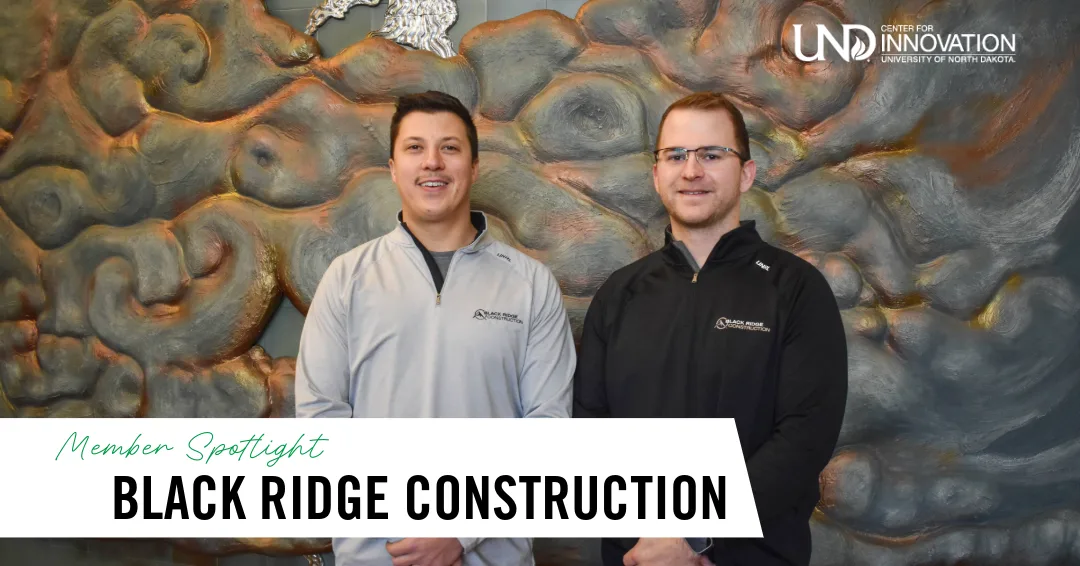
Black Ridge Construction Founders
Will Klinke & Casey Schumacher

Black Ridge Construction (BRC) is a construction management firm founded in 2023 by Will Klinke and Casey Schumacher. From the beginning, BRC set out to do things differently, focusing on select niche sectors while bringing renewed emphasis on open communication, transparency, and collaboration to every project. What started as a long-standing vision has quickly grown into a purpose-driven business with a strong foundation and an exciting future ahead!

Turning Experience into Intention

Black Ridge Construction officially launched in May 2023, but the idea had been taking shape long before that. After years of working in the construction industry, Will and Casey shared a common goal of building a firm rooted in their values and experience.

Starting BRC allowed them to take what they had learned and apply it intentionally, creating a company that serves clients with clarity, purpose, and trust. While the region has no shortage of construction firms, they recognized an opportunity to focus on niche markets and elevate the overall client experience.

In the early days, that meant starting smaller than the large commercial projects they were used to managing. Those first projects were instrumental. They reinforced the importance of hands-on execution, strengthened client relationships, and helped BRC grow deliberately and sustainably, earning trust one project at a time.

Architectural floor plan on a desk with a yellow hard hat, measuring tape, calculator, level, and drafting tools used for construction planning.
Top view of architectural blueprints on the worktable desk.

Building Momentum the Right Way

In a short time, BRC has reached several meaningful milestones. Taking the leap from traditional working roles into entrepreneurship was the first step. From there came hiring their first employee and then moving into their very own office with more room to expand.

Each year has brought visible progress, and the team makes a point to reflect on how far they’ve come. Growth hasn’t always been straightforward, though. One of the biggest challenges was determining when to hire additional team members, balancing the reality of wearing many hats while ensuring there was enough work to support expansion.

Through disciplined planning and a strategic approach to scaling, BRC navigated those decisions thoughtfully. At every stage, their core values have remained unchanged: open communication, transparency, and strong, long-term relationships. These principles continue to guide how they manage projects and serve clients and have become a defining part of BRC’s reputation.

CFI’s Impact: A Foundation for Early Growth

The UND Center for Innovation played a pivotal role during BRC’s early years. Will and Casey had previously worked out of the Center nearly a decade ago with another employer and stayed connected with Travis Fretheim and the CFI team over the years. When it came time to launch BRC, returning to CFI felt like a natural fit.

Being part of the Center for Innovation during those first couple of years was monumental. CFI provided a professional working environment that aligned perfectly with the needs of a small but ambitious business, along with accessible resources and a strong entrepreneurial network.

Just as valuable was the community. Working alongside other founders and startups created opportunities to share challenges, exchange ideas, and learn from others navigating similar paths. The relationships formed at CFI have become an ongoing resource, one BRC hopes to maintain for years to come.

Graduation & the Next Chapter

Graduating from CFI marks an important transition for Black Ridge Construction. Since moving into their new space, the company has already hired an additional team member with extensive construction experience, adding depth to their capabilities and momentum to their growth trajectory.

The move itself is an exciting step forward. With dedicated space for materials, tools, and equipment, BRC now has the flexibility to operate more efficiently and better serve clients. For a construction company, having room to grow physically is just as important as growing strategically.

A hand moves a chess pawn across a network-style board, symbolizing strategy and connected decision-making.

Looking Ahead

BRC understands that growth is rarely a straight line. There will be curves, changes, and moments that require adaptation. Their long-term goal is simple but meaningful: to remain a successful construction management firm in North Dakota and the broader Midwest for years to come.

By staying lean, tight-knit, and values-driven, Black Ridge Construction aims to support not only its team but also the communities they’re fortunate to work in, building projects, relationships, and trust that last.

Learn More

To learn more about Black Ridge Construction or to discuss an upcoming project, visit BrConst.com and connect with the BRC team.


2026 InternGF Launch Party

InternGF Launch

January 13, 2026 @ 8:30 am – 10:00 am

Join the UND Center for Innovation and Grand Forks Region EDC for the 2026 Launch of InternGF! Enjoy breakfast, learn about InternGF internship funding opportunities, hear from past participants, and celebrate successes!

InternGF is a unique partnership between the UND Center for Innovation and the Grand Forks Region Economic Development Corporation. It is designed to introduce UND students to high-wage, in-demand careers and employers in the Grand Forks region. The goal of the program is to aid in local recruitment and retention efforts by showcasing regional companies, career opportunities, and community assets.

Event Outline

8:30 AM – Breakfast

8:45 AM – Presentation & Student Testimonials

9:05 AM – Panel of InternGF Employer Participants

9:35 AM – Ending Session: How to Get Started with Internships

9:50-10:00 AM – Social

Learn More About InternGF