

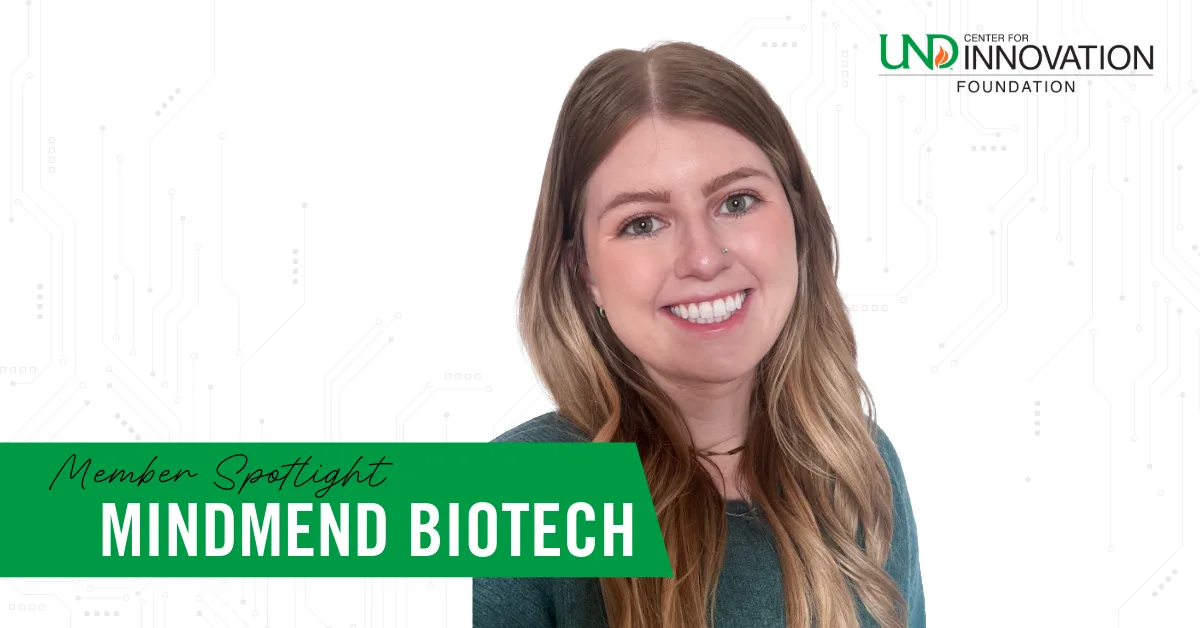
Mercedes Terry, Co-Founder and CEO of MindMend Biotech
From Challenge to Innovation
MindMend Biotech is a startup that aims to use continuously tracked health data, rather than subjective diagnosis, to monitor the symptoms of Parkinson’s disease and other neurodegenerative diseases through a wearable device. Mercedes Terry, co-founder and CEO of MindMend Biotech, was inspired by her grandmother’s experience with Parkinson’s Disease. After her grandmother was misdiagnosed and put on medication that negatively affected her health as a result, Terry realized the lack of research and diagnosis tools currently available for others who are also affected by neurodegenerative diseases.
About MindMend
The current diagnosis indicators of Parkinson’s disease are primarily subjective, with lots of symptoms and data being missed between appointments. With MindMend’s wearable device, there will be real-time data available that accurately measures a biological marker, giving consistent objective data that can be used to monitor neurodegenerative diseases.
This innovation that started by only supporting people with Parkinson’s disease has quickly grown into a tool that also supports the tracking of disease progression, and a company that is “expanding our focus to support both patient care and clinical research,” says Terry.

Woman and doctor talking about healthcare data.
Steps Forward
MindMend achieved a major milestone by receiving a patent for their device in December 2025. Not only does this patent recognize the potential of the innovation, but it also highlights its promise to create meaningful impact in the disease research field.
Each step toward this milestone requires time, resources, and adherence to regulatory requirements before moving on. The process is challenging but rewarding. “I learned that building something meaningful takes constant iteration and the ability to keep going when things do not work the first time,” Terry explained. “Resilience comes from staying focused on the problem you are solving, listening to feedback, and adjusting quickly instead of getting stuck on one idea.”
CFI’s Impact
The CFI ecosystem offers structure, personalized guidance, and access to resources that support startups throughout the development process. “It helped us stay focused, connect with the right people, and move faster by learning from others who have gone through the process,” said Terry. This support ensures teams move efficiently from initial concept to functional prototypes, all while addressing hurdles along the way.
NSF I-Corps Training is a five-week program where researchers are able to learn more about commercializing their research or innovation and the societal impact of their work. The program helps businesses develop meaningful business connections, refine their audience, and identify market needs. “Sona Leismeister played a key role by encouraging us to participate in the I-Corps program, which ended up having a major impact on our progress,” Terry shared.
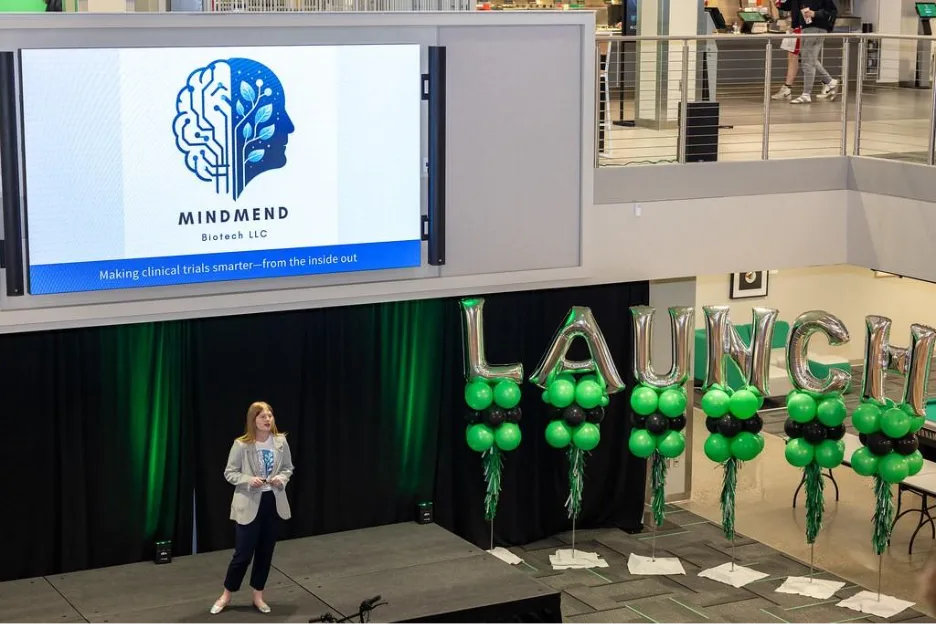
Terry presenting at the LAUNCH: Demo Day event at the UND Memorial Union. Photo by Mark Maliskey of Mark Maliskey Photography, Grand Forks.
Looking Ahead
The ability to make a real impact in how neurodegenerative diseases are understood and managed is what’s most exciting when looking into MindMend’s future. Improving how treatments are developed and evaluated through objective data, to achieve better patient outcomes remains central to their mission.
Learn More
To learn more about MindMend Biotech, visit their LinkedIn.